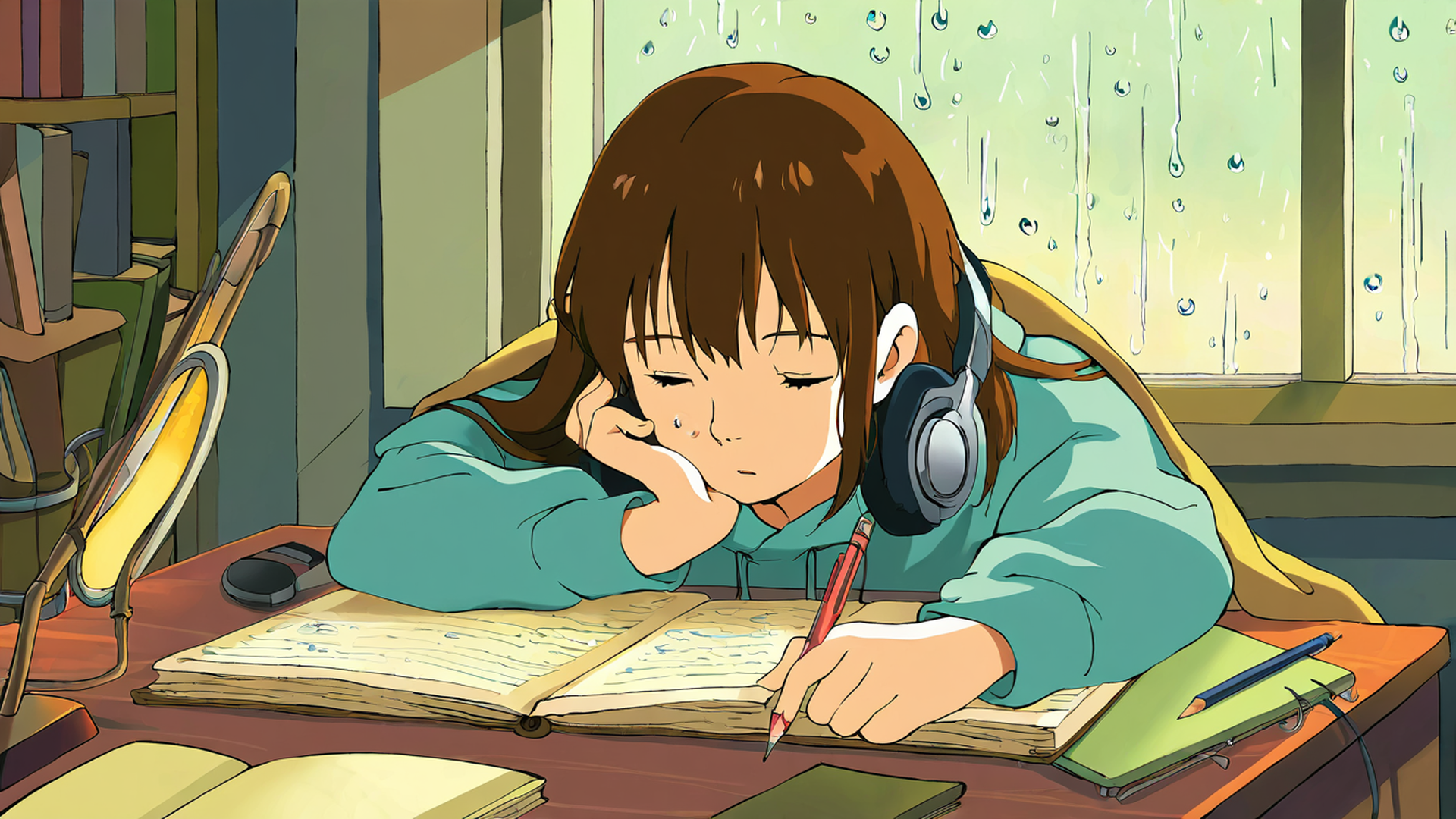
I run an AI-generated wallpaper site. That’s the disclosure up front. What follows is a contradictorily-positioned take on whether that’s actually a good thing for visual culture, written by someone who profits from one answer.
The honest truth is that the AI wallpaper revolution has been more interesting and less catastrophic than either side of the discourse expected. The doomers thought AI would flood the market with garbage and kill human artists. The boosters thought AI would democratize beautiful imagery for everyone. Neither happened cleanly. What did happen is more nuanced — and more philosophically interesting — than either.
What changed between 2022 and 2026
In 2022, getting a custom 4K wallpaper of “japanese aesthetic, cherry blossom, lofi study” required either: paying an illustrator $200–500 for a commission, finding a CC-licensed photo that approximated the mood, or settling for something close enough from a stock site. Most students did the third thing and lived with mediocre wallpapers.
By 2024, Stable Diffusion XL, Midjourney v6, and Flux Pro could each generate that exact wallpaper in 30 seconds at higher resolution and better aesthetic consistency than 90% of stock photography. The price dropped from $200 to free.
The economic shift was complete. The aesthetic shift took longer.
What I’ve watched, running a site that generates ~6,000 wallpapers across 35 themes, is that AI generation didn’t replace wallpaper quality — it replaced wallpaper availability. The good wallpapers always existed (commissioned, photographed, painted). They just weren’t accessible to people without budget or curation skill. AI didn’t make wallpapers better; it made middle-tier-good wallpapers infinite and free.
That distinction matters because it predicts what happens next.
What AI wallpapers actually do well
Three categories where AI generation produces images that previous methods couldn’t:
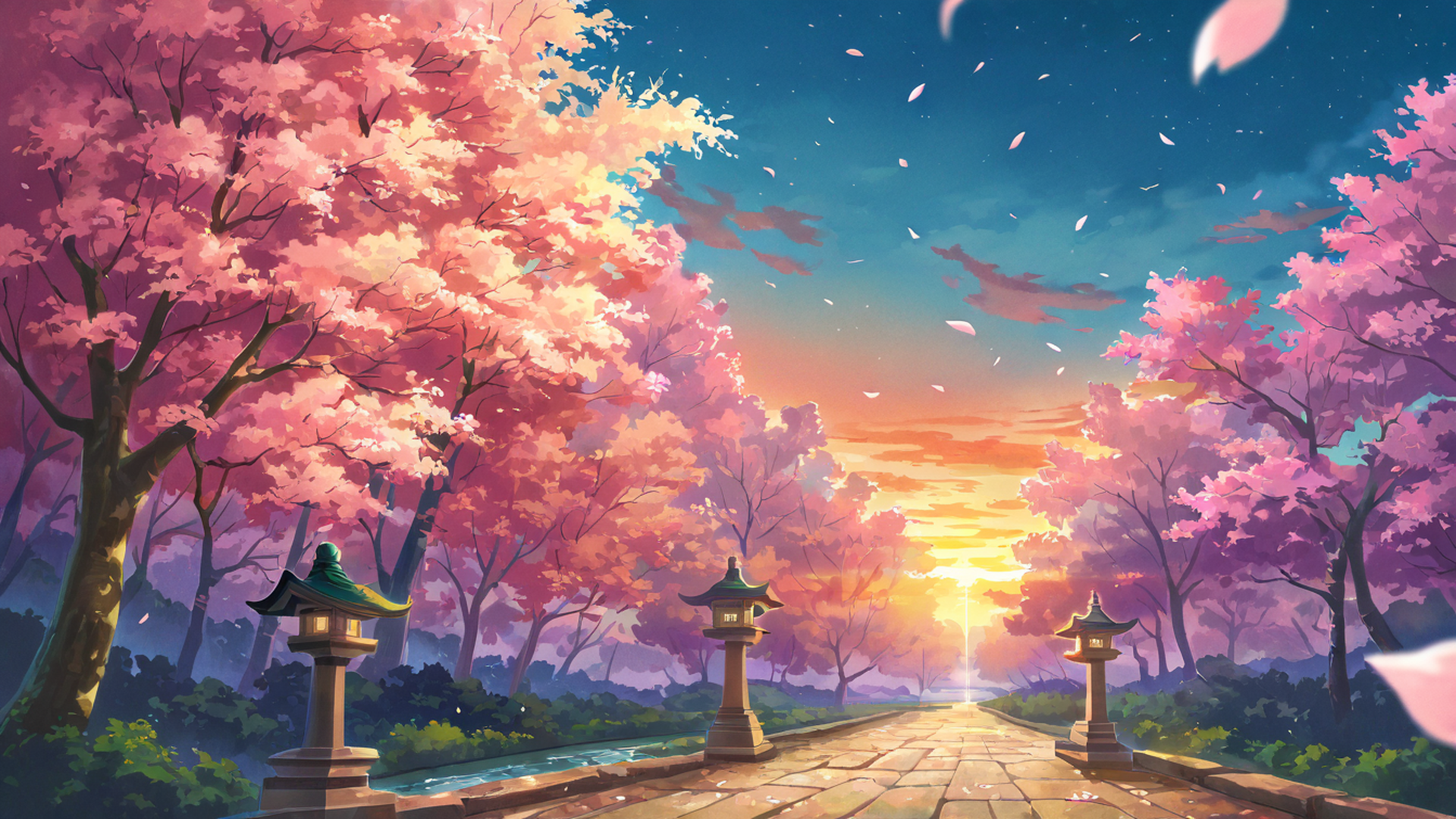
1. Stylistic consistency at scale. A photographer can produce 50 great cherry blossom photographs over a season. An illustrator can paint 20 over a year. Stable Diffusion can generate 1,000 in a day, all in the same painterly style with consistent lighting, composition, and color palette. For a site that wants “100 cherry blossom wallpapers in a unified aesthetic,” AI is the only economically possible source.
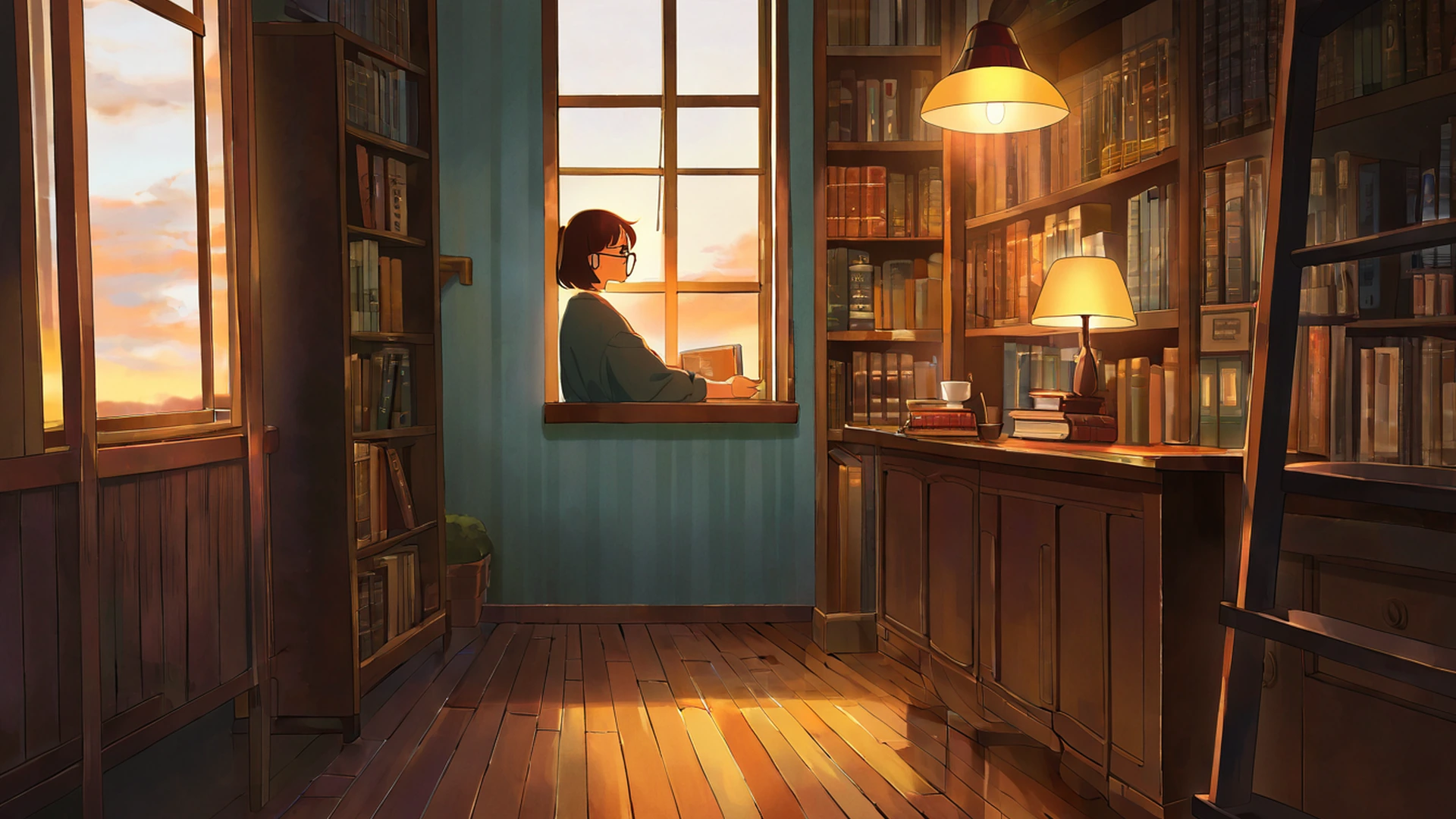
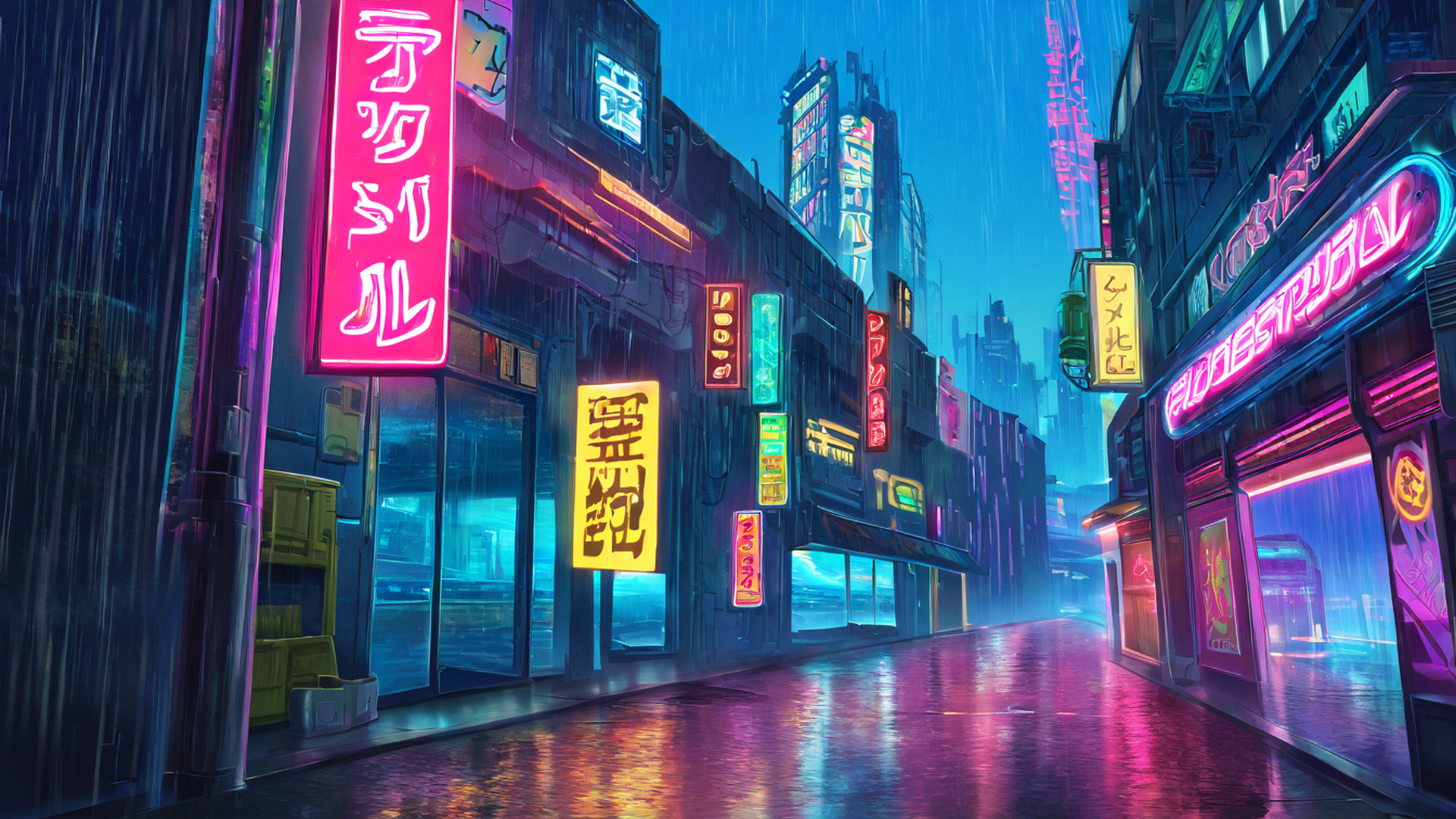
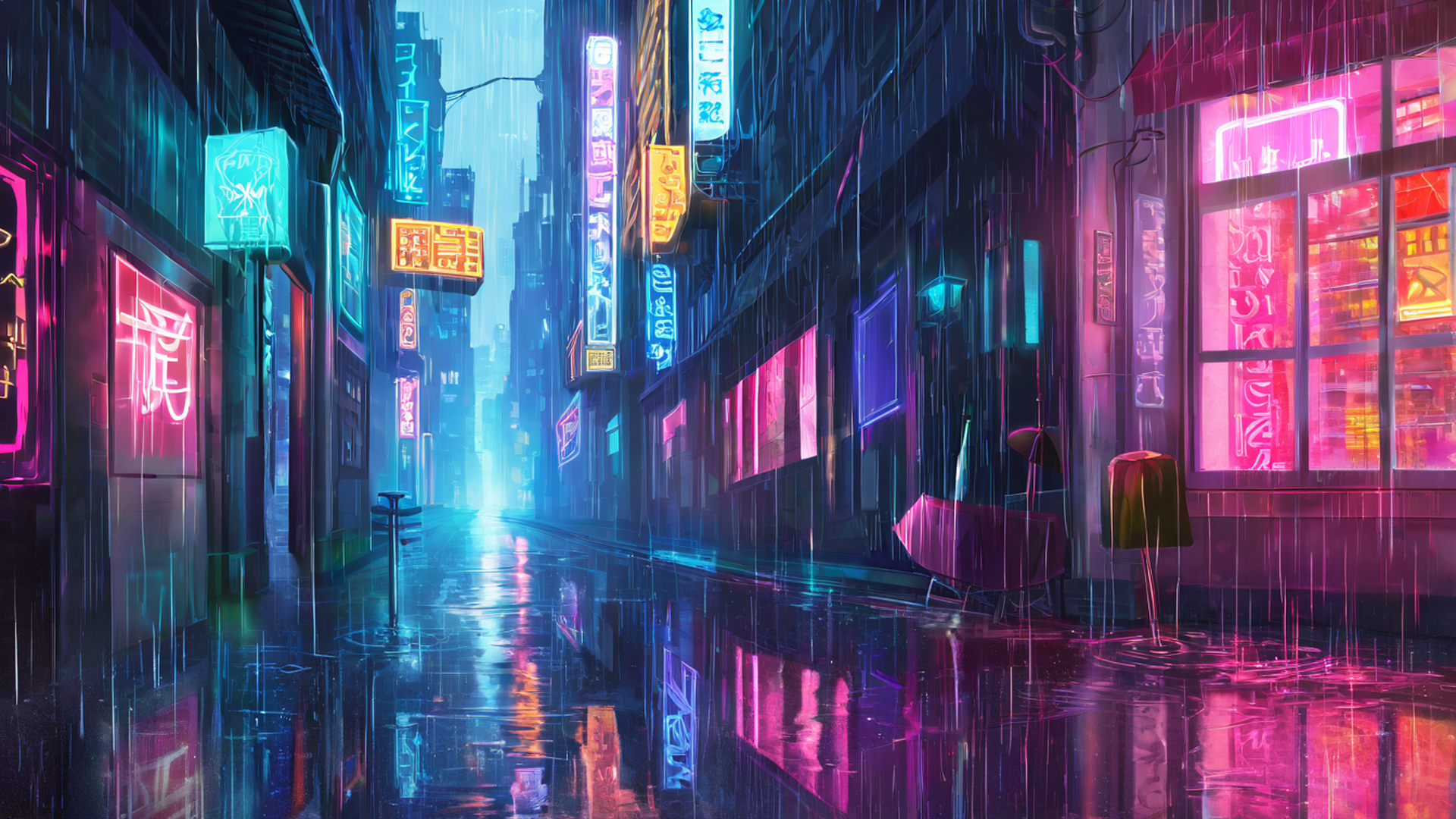
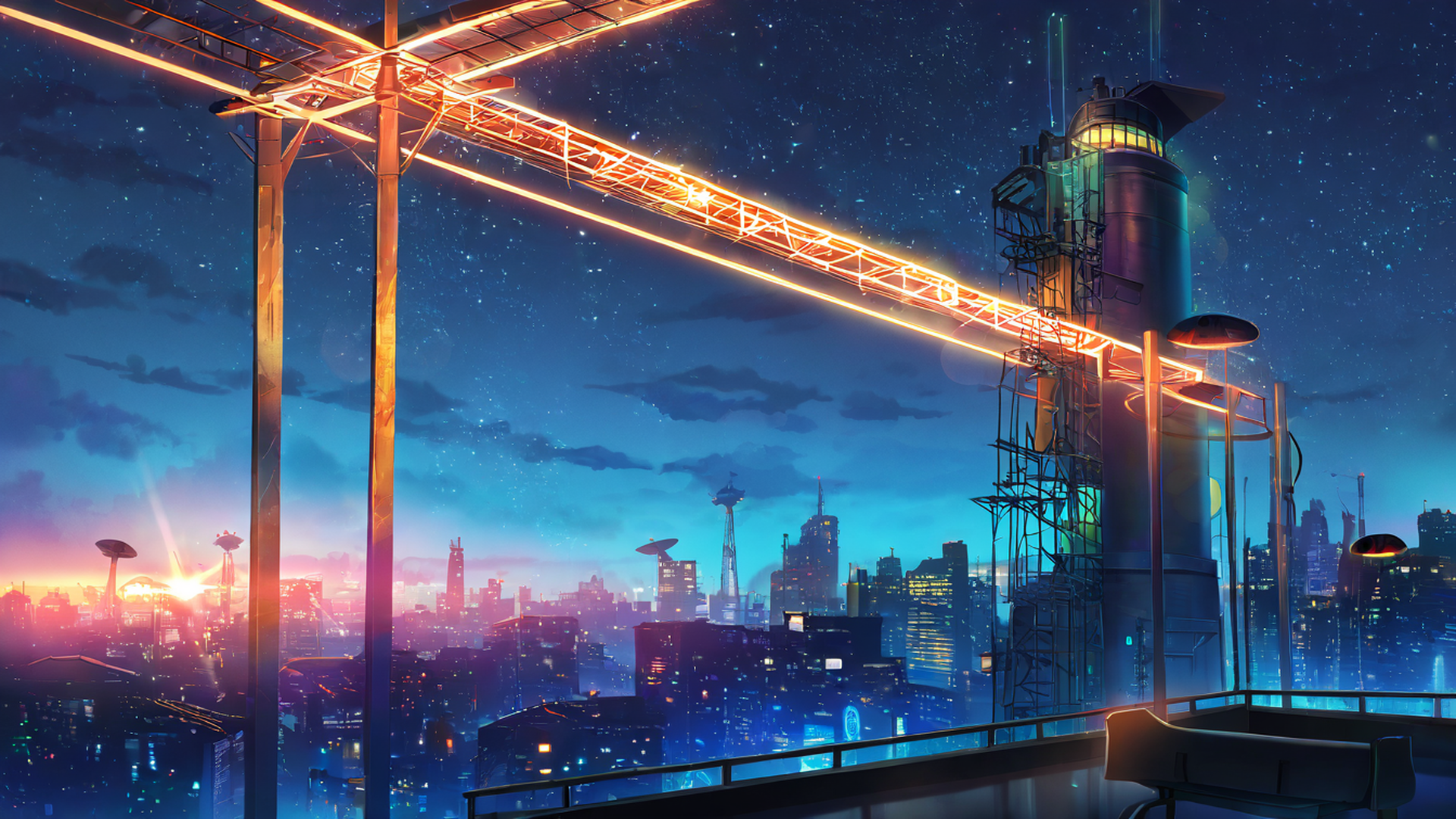
2. Imaginary scenes. AI excels at scenes that don’t exist: cyberpunk Tokyo with bioluminescent rain, a quiet Studio Ghibli kitchen at 3 AM, a shrine at the bottom of the ocean. These compositions can’t be photographed (they don’t exist) and would take an illustrator weeks to render. Generative AI does each in 30 seconds. The genre of “scenes from imagined worlds” has expanded by orders of magnitude.
3. Resolution and aspect flexibility. A photo is shot at one resolution and aspect ratio. AI generations can be re-rendered at 5120×1440 (Samsung Ultrawide), 1080×2400 (iPhone), 3840×2160 (4K) — same scene, native resolution for each device. No upscaling artifacts. This was previously impossible without re-shoots.
For our collection of ultrawide wallpapers, every image is rendered at native ultrawide resolution rather than upscaled from 16:9 — that single difference produces cleaner edges and less compression artifact than any non-AI method.
What AI wallpapers do poorly
Equally honest list:
1. Unique high-detail features. AI struggles with hands, complex text, and specific symbols. A wallpaper requiring a precise calligraphic kanji or a literal product logo will look subtly wrong. Photography wins here. Illustration wins here. AI doesn’t.
2. Anything requiring documentary fidelity. A wallpaper that’s supposed to be the actual Kinkaku-ji temple in autumn at 5 PM looks faithful to a casual eye but wrong to anyone who’s been there. The AI averages many similar scenes; documentary specificity gets lost in the averaging. For “real places,” photography remains better.
3. Genuine novelty. AI can interpolate within its training data extraordinarily well. It can extrapolate beyond it only at the edges. The truly new aesthetic — a style that hasn’t been seen before — still requires human creative leap. AI is excellent at executing styles; it’s poor at inventing them.
These limits are predictable from how the technology works. The training process averages over millions of human-made images and produces statistically-likely outputs. “Statistically likely good wallpapers” is exactly the middle-tier-good slot AI fills. Excellence and innovation remain elsewhere.
What this means for human artists
The popular framing — “AI is killing illustrators” — is partly true and partly a misframing.
True: the bottom of the wallpaper/decorative art market has collapsed for human producers. Illustrators who made livings doing $50 commission wallpapers, Etsy stock-style aesthetic prints, and bulk decorative content lost that market within 18 months of Midjourney v5. That’s real and harsh. Many of those people had to retrain or shift to other parts of the market.
Misframing: AI hasn’t touched the top of the market. Commissioned high-concept illustration, fine art prints with named artists, gallery-quality work — those prices have actually gone up as AI saturates the bottom and “real human craftsmanship” becomes a more visible distinction.
The middle of the market is what’s chaotic right now. Mid-tier illustrators charging $200–500 for custom work are caught between AI’s free output below them and the genuine fine-art market above them. Many are migrating up (developing distinctive personal styles, branding their hand) or pivoting to teaching, criticism, or related fields.
This is sad for the people displaced. It’s also similar to what happened to portrait painters when photography became widespread — the bottom of the portrait market collapsed in 1850–1880, the middle restructured, the top remained valuable, and a new aesthetic discipline (photography) added itself alongside the old one. AI image generation is in that 1850s moment now.
The aesthetic flattening risk
The legitimate concern about AI wallpapers isn’t that they’re soulless (most are fine). It’s that they all look subtly the same.
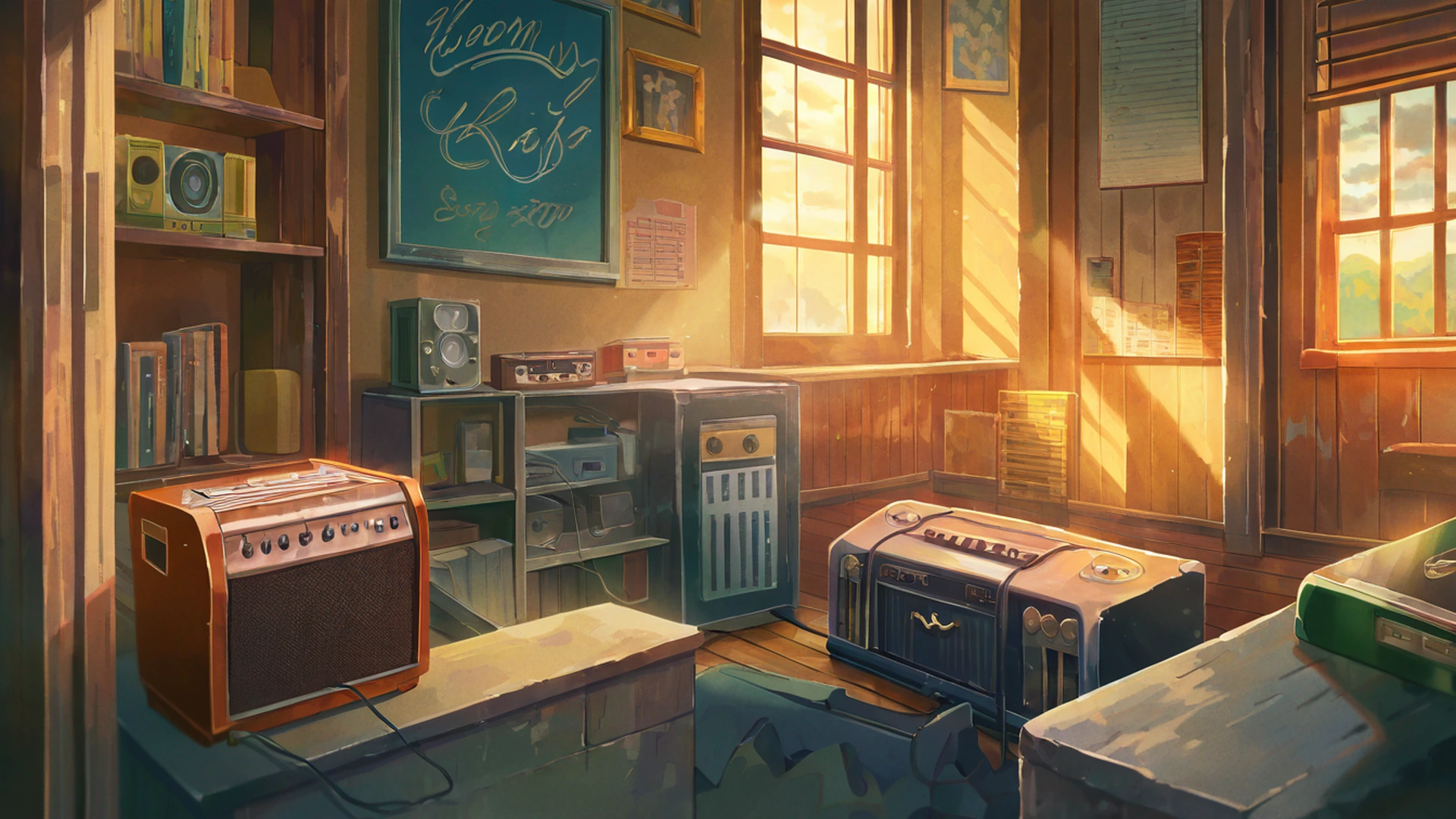
Generative models trained on similar internet datasets produce stylistically converging outputs. Browse 100 AI wallpaper sites and you’ll see remarkable similarity in palette (muted earth tones, soft pastels, warm accents), composition (rule of thirds, central focal points, soft bokeh), and motif (cozy interiors, anime-influenced exteriors, cyberpunk neon). Even the “different” sites are different in narrow ways within a converged aesthetic.
This convergence happens because:
1. Most generators were trained on similar data (LAION-5B and derivatives).
2. Most prompt-engineering follows similar conventions (“masterpiece, best quality, Studio Ghibli, lofi aesthetic”).
3. Most aesthetic platforms (Pinterest, Tumblr, Instagram) reward visually similar content algorithmically.
The result: a global aesthetic monoculture, executed at high quality, dominating phone screens and Pinterest boards in 2026. It’s pretty. It’s also same.
Whether this matters depends on what you think wallpapers are for. If they’re functional (provide pleasant background), monoculture is fine. If they’re identity (express who you are), monoculture is corrosive. Most users seem to be in the functional camp; the identity camp is smaller but vocal.
How we try to navigate this on this site
Running an AI wallpaper site, the choices that determine whether you contribute to monoculture or push against it are:
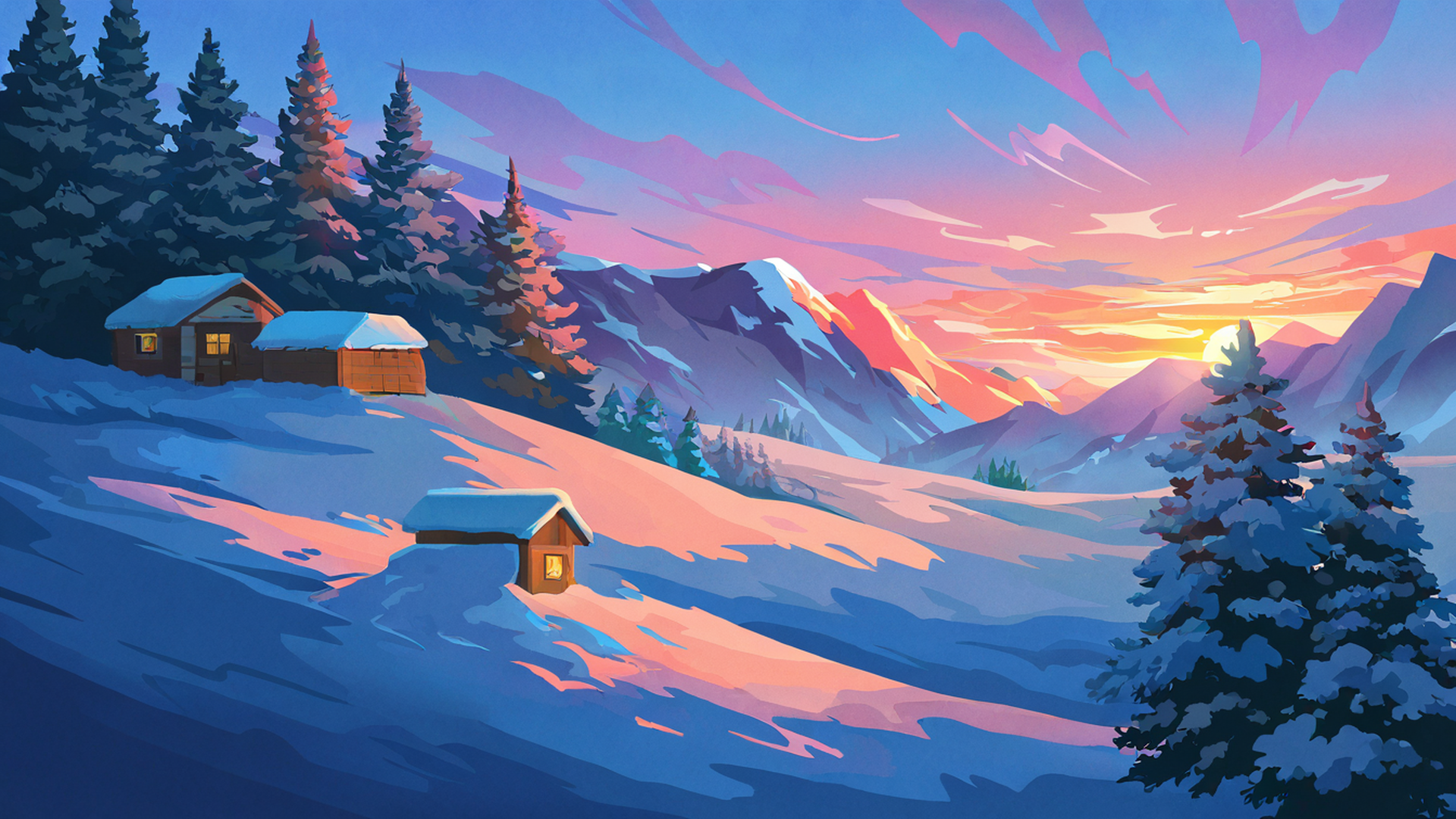
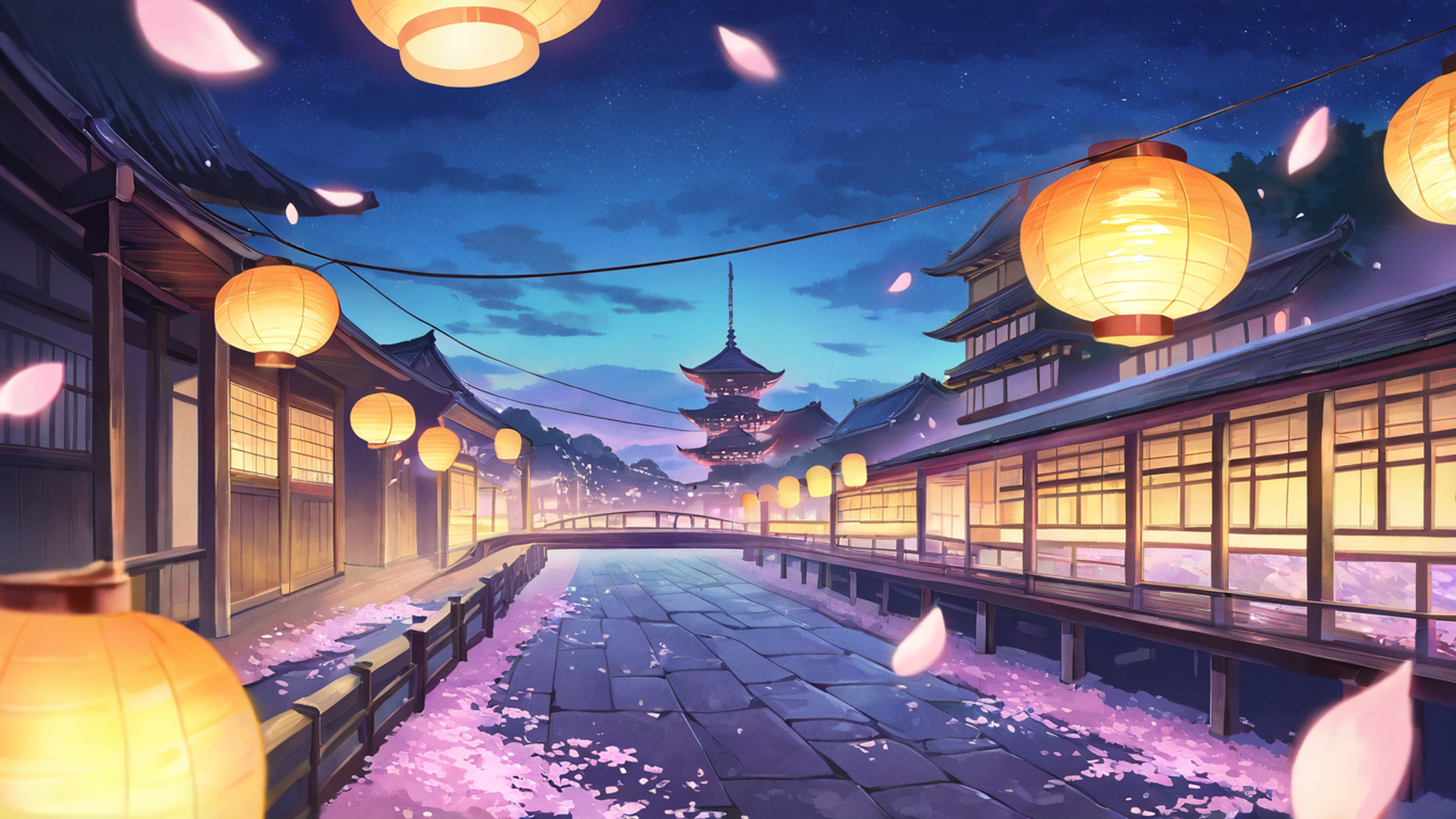
Theme curation (we try to push against): instead of generating “aesthetic anime girl” 6,000 times, we curate 35 distinct themes (cherry blossom path, cyberpunk neon rain, autumn maple village, etc.) and generate 50–200 images per theme. The themes themselves are the differentiation, not the per-image polish.
Resolution variety (we try): native ultrawide and portrait renders, not upscaled from 16:9. This makes our wallpapers actually fit your screen instead of being letterboxed.
Animated wallpapers (we’re trying): WAN 2.2 short loops are something AI photo generators can’t do at all. We’re building a library of these as differentiation from photo-only sites.
Prompt diversity (we try): we deliberately use less-common prompts (engawa rain, lantern festival, snowy onsen) to push our outputs away from the global average.
These are partial mitigations, not solutions. We’re still operating in the same “AI-generated decorative imagery” space and contributing to the broader convergence. The honest position is that we’re aware of the tradeoff, trying to be slightly better-curated than the algorithmic feed, and not pretending to be doing something fundamentally different.
What I think happens next
Three predictions, none confident:
1. The middle of the market consolidates further. Mid-tier wallpaper sites either differentiate sharply (themes, animation, regional aesthetic) or get out-competed by the dominant SEO-optimized algorithmic feeds. Generic Aesthetic Wallpaper Site #847 won’t survive past 2027.
2. Animated and interactive wallpapers become the next frontier. Static images are commodified. Looping video, parallax depth, time-of-day adaptive wallpapers — these require more compute and more curation. Quality differentiation moves there.
3. The “human-made wallpaper” niche grows. As AI saturates everything, “made by a real artist” becomes a meaningful badge. Mid-tier illustrators who survive will be the ones who lean hard into hand-crafted distinctiveness — the Etsy-style “individually painted” market.
Wallpapers are a tiny corner of a much larger AI-and-aesthetics conversation, but the same dynamics play out everywhere creative work meets generative technology. Mid-tier creative labor commodified. Top tier appreciated more. Monoculture risk real but not fatal. Differentiation through curation, not pixel-by-pixel craft.
The revolution is real and quiet. We’re already inside it.
Related reading
- Cyberpunk Ghibli aesthetic wallpapers — example of one specific aesthetic this discussion applies to.
- Free aesthetic landscape collection — actual examples of what we curate.
- Free ultrawide wallpapers (5120x1440) — what AI does that photography couldn’t.
Honest takes on a topic I’m not neutral about. I work in this space; my answer is what I see, including the uncomfortable parts.