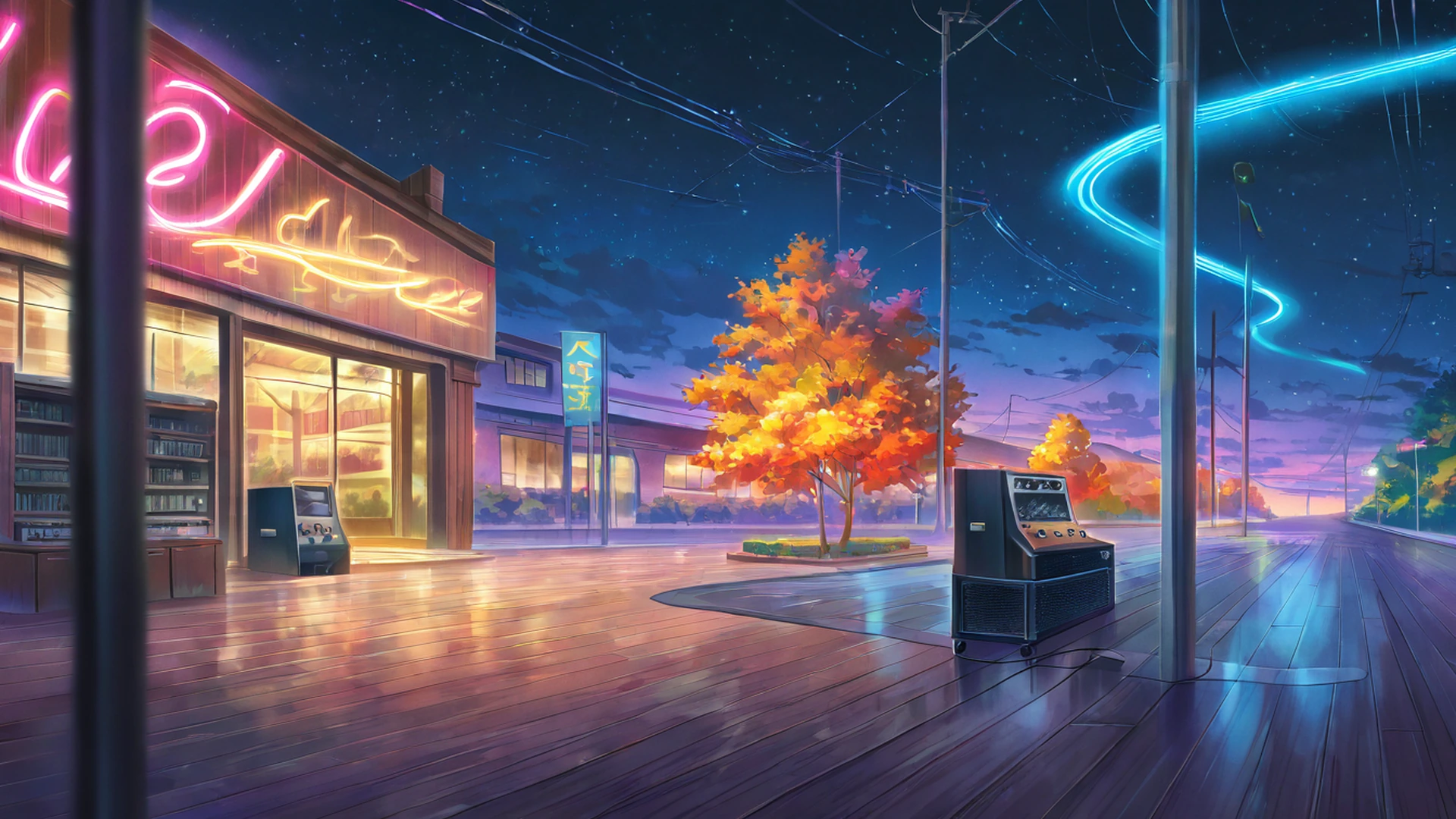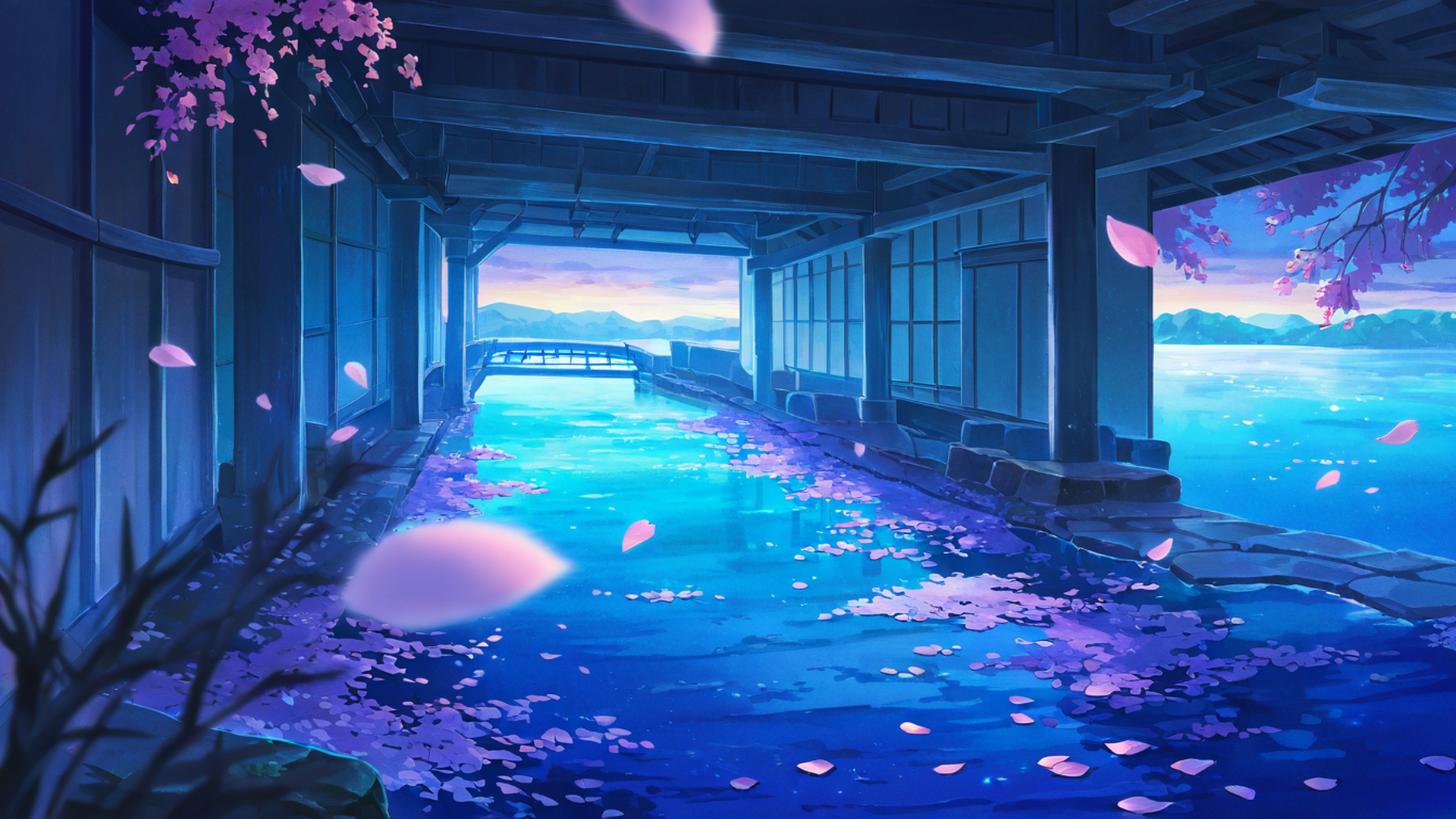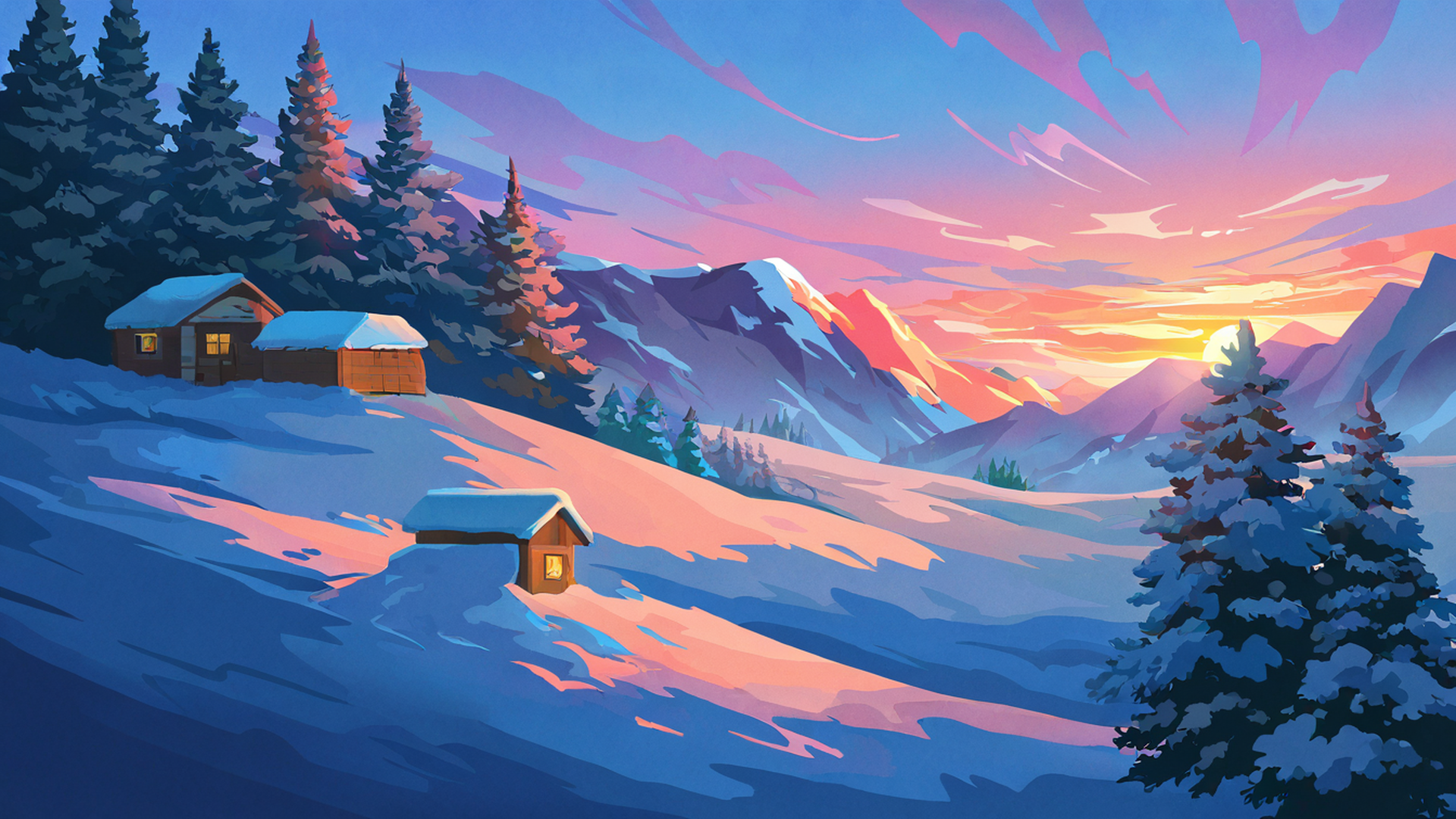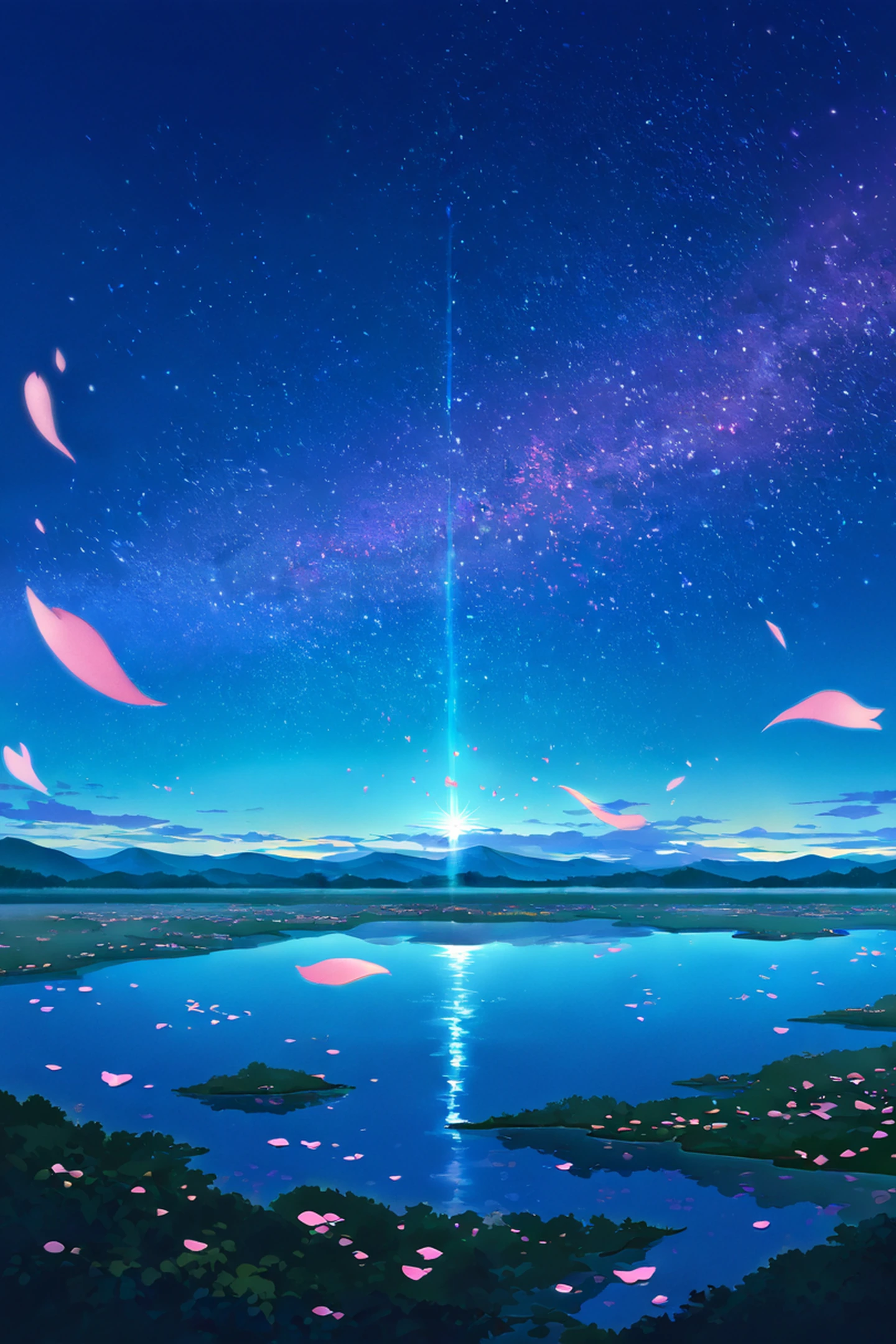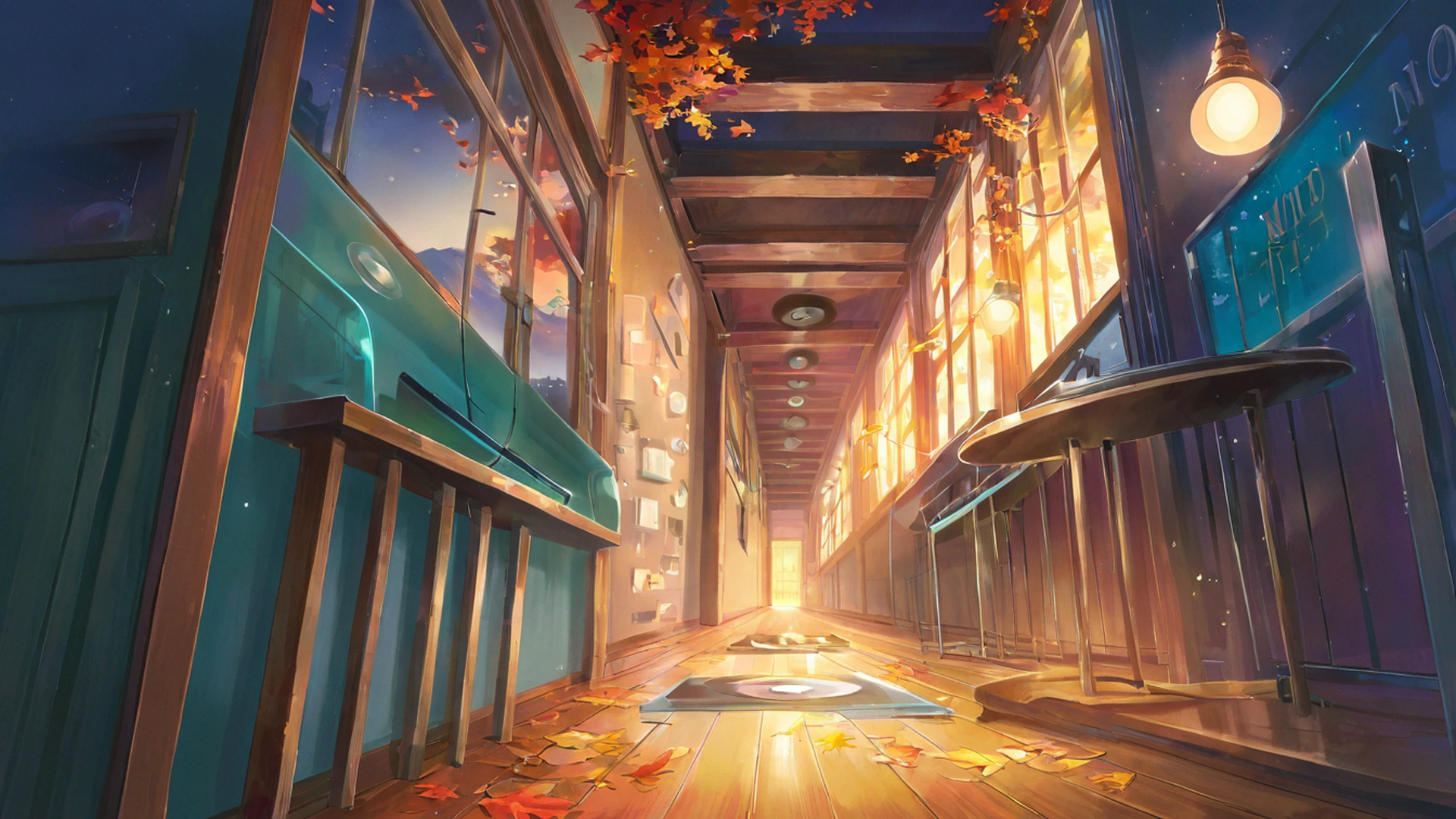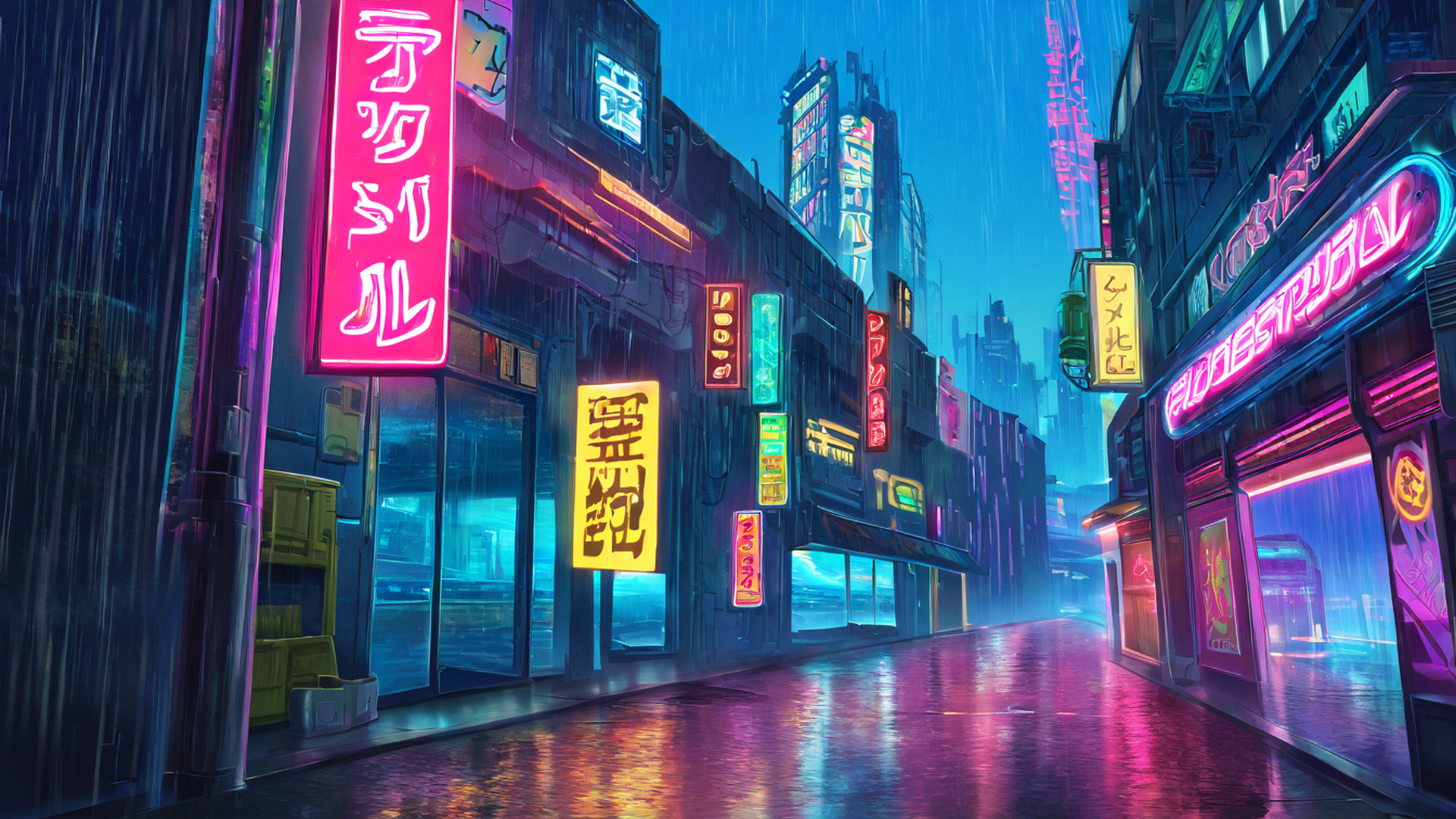
“Cyberpunk Ghibli” is a label fans use for a mash-up: the neon cities of cyberpunk, painted with the soft, warm look people associate with Studio Ghibli’s backgrounds. Ghibli itself has never made a cyberpunk film. The phrase describes a style that lives in fan art, AI image communities and, increasingly, wallpaper sites like this one.
This guide covers what each half of the mash-up brings, how the eight neon themes on this site are made, what is in each of them, and when a neon wallpaper is a good companion for studying or work.
The two halves of the look
Cyberpunk brings the setting. The look most people picture comes from films like Blade Runner (1982), Akira (1988) and Ghost in the Shell (1995): dense cities at night, neon signs stacked up the sides of buildings, rain on the streets, wires overhead. It is a genre built on spectacle and unease.
“Ghibli-inspired” brings the treatment. As a style label it usually means anime-style scenery with painterly skies, soft light, a watercolor feel and small lived-in details. It doesn’t point to a specific film.
Put together, you get neon colors with softer edges and cozy details that a hard-edged cyberpunk image would leave out: a cat on a balcony railing, a steaming cup on a café table, plants growing between cables. The city is still enormous, but it feels inhabited rather than hostile. For a wallpaper, which mostly sits in the background for hours, that softer register is the whole appeal.
How these wallpapers are made
Every image in these themes was generated by this site with an AI model, NoobAI-XL, which is an SDXL-based model trained for anime-style illustration. They were rendered on a home server in April 2026. They are not made by, endorsed by or affiliated with Studio Ghibli.
The prompts are built by a script. Every cyberpunk prompt starts with the same style cues: “studio ghibli inspired, cyberpunk aesthetic, anime style, neon lights”, plus general quality tags. For the scenery themes, the script then picks three scene tags and three details from fixed lists for that theme (for example “wet asphalt reflections”, “narrow alley”, “steam from vents”, “kanji neon signs”), and adds one time of day, one kind of weather and one color palette. Each image gets its own combination and its own seed, which is why no two look alike. The character themes work the same way, except that every prompt includes the full character description plus four random details.
So “Ghibli-inspired” here is a style cue in a prompt, and the result is the model’s own interpretation, not a copy of any film. Some people are uncomfortable with AI images that borrow a studio’s look, and that is a reasonable position. If you want work by human illustrators in this style, it is worth seeking them out directly.
Two quirks are worth knowing before you browse. The neon signs are full of made-up lettering that looks like Japanese or English but usually isn’t readable. And the model occasionally produces something strange, such as a half-mechanical creature in the garden scenes, which partly comes from details in the prompt list like “vine covered abandoned robot”.
The eight themes
Each theme has 100 landscape wallpapers and 40 portrait versions for phones. The first four are scenery with no people.
- Cyberpunk Neon Rain: rain-soaked streets packed with neon signs, vending machines and reflections, mostly in cyan and magenta. The most saturated and busiest of the eight.
- Cyberpunk Rooftop: skylines seen from rooftops, often with a full moon, mist or light rain over the city.
- Cyberpunk Bridge: elevated walkways and bridges over glowing canals, usually in rain or fog, in darker teal tones.
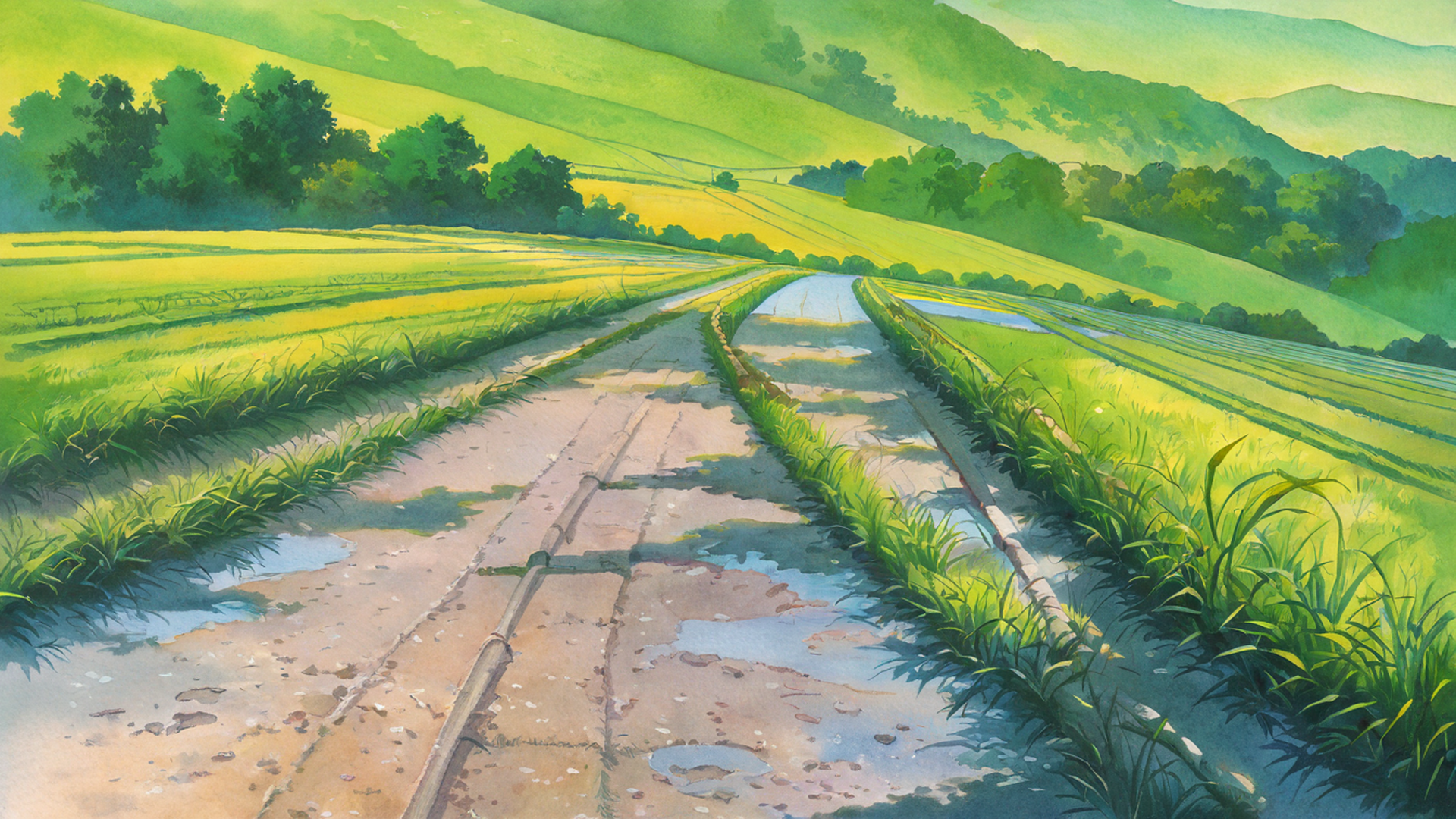
- Cyberpunk Garden: greenhouses and rooftop gardens overgrown with plants, moss on concrete and soft glowing lamps. The calmest of the eight.
The other four each feature one character:
- Cyberpunk Girl Neon Cafe: a girl with headphones in a neon-lit café, with a laptop or holographic screen and rain on the window.
- Cyberpunk Boy Rooftop: a boy with headphones sitting on a rooftop edge above the city, at sunset or at night.
- Cyberpunk Girl Train: a girl in an elevated train car while the neon city slides past the windows.
- Cyberpunk Girl Balcony: a girl in an oversized sweater holding a warm drink on her balcony, sometimes with a cat on the railing. The portrait versions make good phone wallpapers.
The countryside half
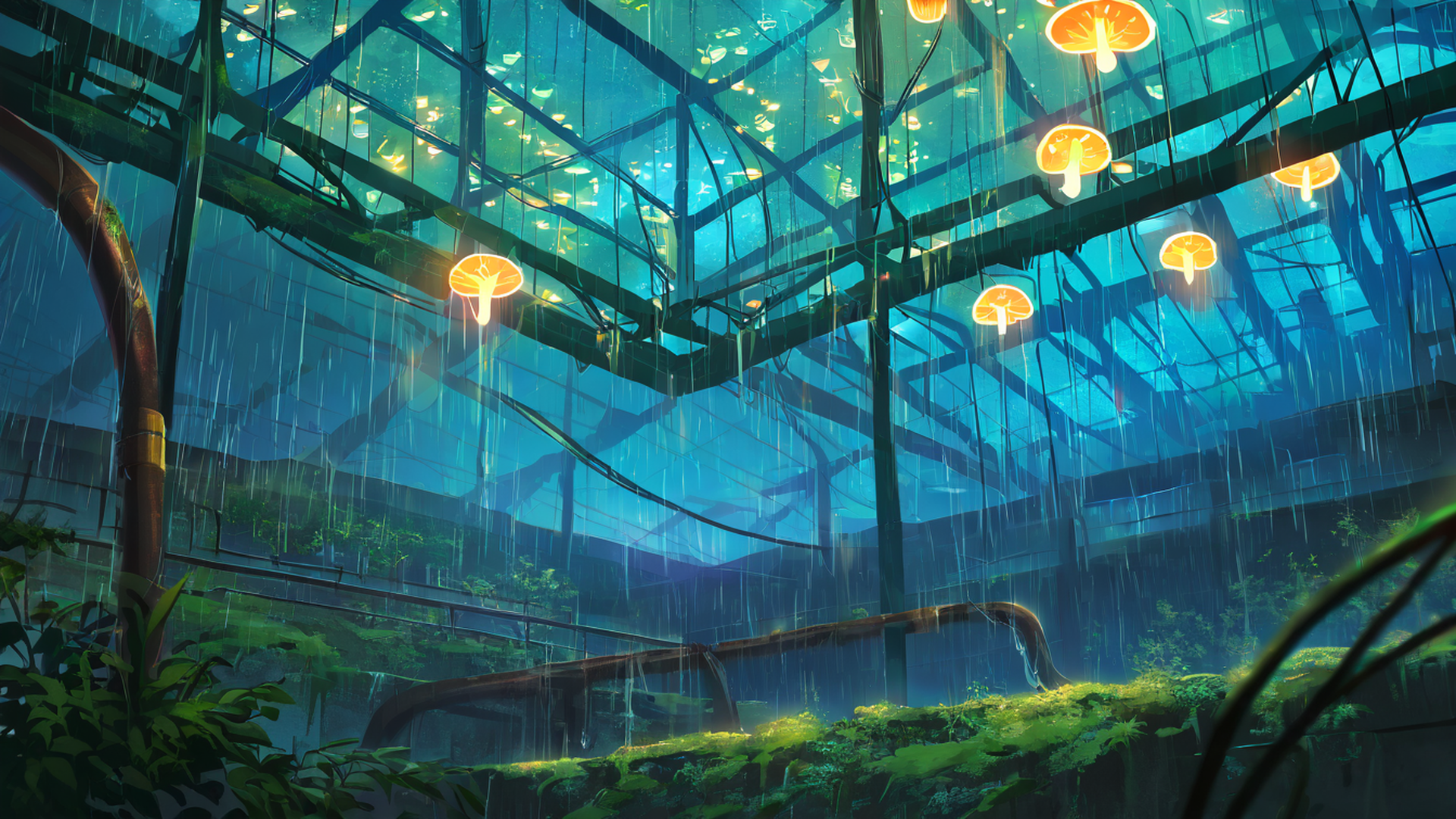
The same “studio ghibli inspired” cue appears in the prompts for the site’s countryside themes, combined with “anime landscape” and “soft watercolor” instead of neon. Rice Fields Summer, Shrine Torii, Autumn Maple Village and Snowy Mountain Village all come from that side.
Looking at the two groups next to each other is a good lesson in what actually sets the mood of a wallpaper. The style cue is identical. What changes is the subject, the palette and the amount of detail: open fields and soft greens on one side, stacked signs and saturated neon on the other.
When neon works for studying, and when it doesn’t
A wallpaper is mostly seen around the edges of your windows, in your peripheral vision. That is where neon scenes can get in the way. Lots of signs, text-like shapes and saturated color give your eyes many things to land on, so a busy neon street can keep tugging at your attention while you read or write. A simple test: if you catch yourself looking at the wallpaper instead of your work, it is too busy for that task.
A few practical choices help:
- For focused work, pick the calmer sets: Cyberpunk Garden and Cyberpunk Bridge have darker palettes and fewer signs, and the rooftop scenes with a big moonlit sky leave large quiet areas.
- For a “study with me” mood, the café and train characters work well. There is someone in the frame doing roughly what you are doing.
- Save Neon Rain for breaks, gaming or an occasional change of scenery. It is the most striking set and the hardest to ignore.
- Match your apps to the wallpaper. These images are mostly dark. Bright white windows on top of a dark neon scene create harsh contrast around their edges; dark mode apps blend in better.
If neon turns out to be too much, the countryside themes are the obvious alternative, and there is a separate guide on choosing a wallpaper that doesn’t distract you.
On phones and wide screens
Phones. Every cyberpunk theme has 40 portrait versions. Because the scenes are mostly dark, they suit OLED phone screens, where black areas are simply switched off. Before you settle on one, check what sits behind the clock: a cluster of bright signs at the top of the image makes the time harder to read, while the rooftop and balcony scenes usually leave sky up there. The phone wallpaper guide explains which size to download and how cropping works.
Ultrawide monitors. The cyberpunk themes are not part of the ultrawide collection, but any landscape wallpaper can be downloaded at 3440×1440. That crop keeps about three-quarters of the original height, so scenes with the horizon or the main subject near the middle work best. The ultrawide guide covers the other wide formats.
Animated versions. Only a handful of animated loops exist for these themes, spread across Bridge, Garden, Rooftop, Girl Balcony and Girl Neon Cafe. You can find them in the animated collection.
Sound to go with it
The rain in many of these scenes pairs naturally with the rain loop on the homepage, which you can layer under the live lofi stream and set to its own volume. The rainy day wallpaper guide has suggestions for balancing the two so the sound stays in the background. And if you are curious where the broader lofi visual style comes from, there is a longer piece on the visual history of lofi, from Cowboy Bebop to the Lofi Girl.